

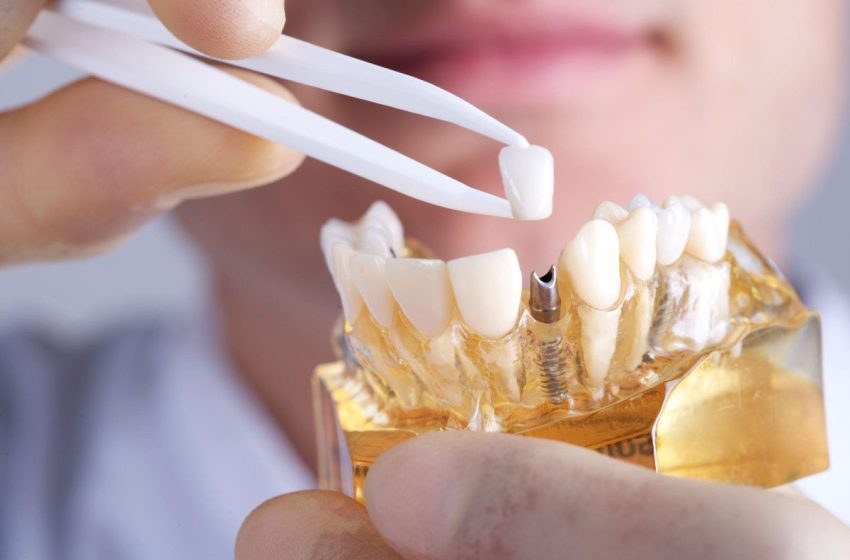
Dental Implant-Supported Replacement of Traditional Crowns and Bridges
Replacing failing dental crowns or bridges with dental implants is a significant decision, and it’s important to assess several factors before making that choice and consider all on 4 dental implants.. Here are some key considerations when deciding whether to replace a failing crown or bridge with dental implants:
- Evaluation of Existing Dental Work: A thorough examination by a dentist or prosthodontist is essential to assess the condition of the existing dental crown or bridge. They will evaluate factors such as the integrity of the restoration, signs of wear or damage, and the health of the supporting teeth and gums.
- Jawbone Health: Dental implants require a sufficient amount of healthy jawbone for successful placement. X-rays and diagnostic imaging will help determine if the jawbone is suitable for implant placement. In cases of bone loss or inadequate bone density, bone grafting may be necessary before implant placement.
- Condition of Adjacent Teeth: The health and condition of the natural teeth adjacent to the failing crown or bridge are crucial. If these teeth are compromised or require extensive dental work, it may impact the decision to proceed with dental implants.
- Long-Term Goals: Consider your long-term dental health goals. Dental implants offer several advantages, such as stability, durability, and preservation of adjacent teeth and bone. If you want a long-lasting and reliable solution, dental implants may be a suitable choice.
- Aesthetic Concerns: Dental implants can provide a natural and aesthetically pleasing appearance. If the appearance of your smile is a significant concern, dental implants may offer superior cosmetic results compared to a failing crown or bridge.
- Maintenance and Care: Dental implants are relatively low-maintenance and can be cared for like natural teeth through regular brushing, flossing, and dental check-ups. Consider whether you prefer a solution that requires minimal maintenance.
- Cost Considerations: Dental implant treatment can involve higher initial costs compared to replacing a crown or bridge. However, it’s essential to weigh the long-term benefits and cost-effectiveness of dental implants, considering their potential longevity and reduced need for future replacements or repairs.
- Consultation with a Dental Professional: It’s advisable to consult with a dentist or prosthodontist who specializes in dental implants. They can provide a comprehensive evaluation, discuss your specific case, and present a treatment plan tailored to your needs and goals.
Ultimately, the decision to replace a failing crown or bridge with dental implants should be made in consultation with a dental professional. They can help you understand the options available, assess your oral health, and guide you toward the most appropriate treatment plan for your individual circumstances. Dental implants can offer a long-lasting and functional solution for tooth replacement when carefully considered and planned.
Table of Contents
Implant-Supported Teeth vs Old-Style Crowns and Bridges
A Simple Guide to Fixing Missing or Broken Teeth
Missing teeth hurt your bite, looks, and face shape over time. For years, dentists used crowns and bridges to fix them. These work okay but have downsides. New implant options hold teeth better and last longer. They act like real roots in your jaw. This guide explains both in easy words. You will see which fits your needs, costs, and life.burnsdentistry+1
What Are Crowns and Bridges?
A crown covers one weak or cracked tooth like a cap. Dentists put it on after big fillings or root work. It makes the tooth strong and pretty again. Bridges fill gaps from lost teeth. They use fake teeth in the middle. Crowns on healthy teeth next door hold the bridge tight. To do this, dentists grind down those good teeth a bit. This lets the crowns fit snug. The whole job takes two visits over weeks. No cuts or long waits.
Good sides of crowns and bridges:
-
Quick to get.
-
No surgery needed.
-
Help you eat and smile right away.
-
Cheaper at first.
Bad sides:
-
Hurts nearby good teeth by cutting them.
-
No root under the gap, so jaw bone shrinks.
-
Lasts 5 to 15 years, then needs new ones.
-
Food traps under bridges cause decay.chestnutdental+1
What Are Implant-Supported Crowns and Bridges?
Implants use metal posts like tooth roots. Doctors put them in your jaw bone during a small cut. The bone grows around them over months. This locks them in place. Then, they add a connector and top it with a crown or bridge. One implant holds one crown. Or a few implants hold a full bridge for many teeth. It feels real because it sits in bone, not on other teeth.burnsdentistry+1
Steps to get implants:
-
Check-up with X-rays to see your bone.
-
Surgery to place the post. Numb mouth helps.
-
Wait 3 to 6 months for bone to stick to post.
-
Add connector piece.
-
Fit the final tooth or bridge. Matches your smile.abbeyhousedental+1
Side-by-Side Look at Both Options
Here is a table to compare them clear.
| Part | Crowns and Bridges | Implant-Supported Ones |
|---|---|---|
| What Holds It | Teeth next door | Posts in jaw bone |
| Helps Jaw Bone | No, bone shrinks over time | Yes, keeps bone strong |
| Good Teeth Hurt? | Yes, dentist cuts them down | No, leaves them whole |
| Time to Finish | 2 weeks or so | 3 to 9 months with healing |
| How Long Lasts | 5-15 years | 20 years or life |
| Feels Like | Okay, but food sticks sometimes | Most like real teeth |
| Upfront Price | Lower | Higher |
| Needs Surgery? | No | Yes, small one |
Why Pick Implants Over Old Ways?
Implants keep your jaw full. The post pushes bone like a real root. No shrink means no skinny face. They stand alone. No need to touch good teeth nearby. This stops extra rot or breaks later. You chew hard foods easy. No worry of loose fit. Clean them like normal teeth. Brush and floss work fine. Studies show 95% still good after 10 years. People love how real they feel.radiantdentalcare+1
Other wins:
-
Pretty match to your teeth color.
-
No slip when talk or eat.
-
Saves money long run. Less fixes.
Downsides of Implants to Think About
They cost more at start. Surgery adds price for tools and skill. Healing waits months. You wear temp teeth meanwhile. Need good bone amount. Thin jaw? Get graft first – extra step. Small risks like swelling or infection happen. Most heal fine with rest. Not for everyone with bad health or no bone. Talk to dentist first.
When to Choose Each One
Pick bridges or crowns if:
-
You want fast results.
-
Bone too weak for posts.
-
Hate surgery ideas.
-
Teeth next door already broken anyway.health.clevelandclinic+1
Go implants if:
-
Plan to keep teeth forever.
-
Care about bone and face shape.
-
Got strong health.
-
Healthy teeth nearby to save.radiantdentalcare+1
Dentist checks your mouth to pick best.
What Happens Step by Step for Implants
-
First visit: Look in mouth, take pictures, talk health. Plan it out.
-
Surgery day: Cut gum, drill bone spot, put post. Stitches close it.
-
Heal time: Bone grabs post tight. No hard foods there.
-
Second small cut: Add top connector. Gum heals again.
-
Last visit: Screw or glue crown or bridge on. Smile ready!burnsdentistry+1
Pain stays low. Pills help swelling few days.
Cost Breakdown Simple
Prices change by place and work. Rough numbers:
| Fix Type | Start Cost | Years It Lasts |
|---|---|---|
| Regular Bridge | Less money now | 5-15 |
| Implant for One Tooth | More money now | 20+ |
| Implant Bridge | Highest now | 20+ |
How Well They Work – Real Numbers
Implants succeed 95-97% long term. Bridges do good too but watch for gum trouble. People rate implants high for chew and look. Bridges feel less real over years.dentech+1
Stuff They Use to Make Them
Crowns and bridges:
-
Porcelain: Looks real, stains easy.
-
Zirconia: Super tough, white shine.
-
Metal mix: Strong for back teeth.[dentech.co]
Implants:
-
Titanium post: Bonds to bone safe.
-
Ceramic top: Matches teeth perfect.
Answers to Usual Questions
Do implants hurt bad?
Little ache after. Numb helps during. Ice and meds fix it quick.
How long bridges last?
5 to 15 years if clean good.
Implants stop bone loss?
Yes. Act like roots to keep jaw full.
Healthy folks with enough bone. Grafts open doors more.
Final Thoughts
Crowns and bridges fix teeth okay and fast. Good for quick needs. But implants beat them for real feel, long life, and healthy jaw. They save other teeth and bone too. Think about your budget, wait time, and goals. See your dentist for mouth check. Pick what keeps your smile strong years ahead.