

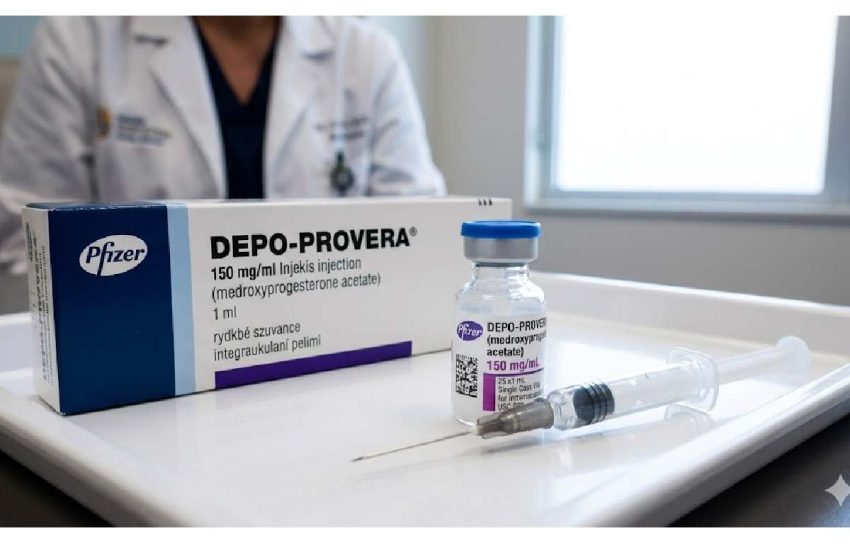
What Happens If You Take Depo-Provera for More Than 2 Years – Guide
These days, American women have far more options for managing when – or if – they get pregnant. One choice that keeps showing up at clinics? The Depo shot. Decades back, choices felt slim. Now, picking what works means weighing convenience against side effects. Hormone fixes once meant daily pills. Not anymore. Some skip routines entirely. Others need regular check ins. This particular injection shows why it sticks around: no daily effort required. Still, every option brings trade offs. What suits one person might bother another. Planning ahead matters just as much as the method itself.
Shot after shot, Depo-Provera finds favor because it works well without needing daily attention. Women pick it when they’d rather not remember pills every day. Lasting roughly ninety days, each dose fits tightly into routines already packed. Busy doesn’t mean risky here – protection stays steady through chaos.
Yet many women sooner or later face one pressing thought: how does long-term use of Depo-Provera change things after twenty-four months?
Out of nowhere, concern shows up – doctors across America keep turning this over, talking through what might happen if it’s used too long. Bone strength could shift under pressure from lasting treatment, some say. Hormone patterns may twist in ways not fully mapped yet. When things return after stopping isn’t always predictable either.
Peeking into how Depo-Provera plays out over time gives women clearer ground when weighing choices about fertility and overall health. What sticks around matters just as much as what shows up fast.
Table of Contents
What Is Depo-Provera?
A shot known as Depo-Provera keeps pregnancy away using a man-made version of progesterone – medroxyprogesterone acetate. Out here, nothing grows quite like this; researchers shaped it one piece at a time. Built different – slower to fade compared to what comes naturally. Slips in smoothly once delivered, gently shifting how things work inside. Mimics your own chemical signals, yet moves in ways altered by design. Lasts through rounds and cycles, steady without constant upkeep. What stays behind lingers far beyond the first entry.
Most times, a health worker gives the injection once every few months. Sometimes it happens after twelve weeks, sometimes closer to thirteen.It works mostly by:
-
Blocking ovulation
-
Thickening cervical mucus
-
Thinning the uterine lining
When used right, it’s super effective at stopping pregnancy.
Why Lots of U.S. Women Pick Depo-Provera
Women across America choose Depo-Provera for many reasons.
Some healthcare pros also prescribe it for certain gynecological issues.
Two Year Warning Explained
Long-term use of Depo-Provera sparks debate, mainly about how it affects bone strength over time.
Bone density could drop when usage goes on too long – that is why the FDA stepped in with a caution. A lengthy run with it may weaken bones, prompting the agency’s alert.
Years went by before folks caught on – lots of women stuck with the injection started seeing red flags pop up.
Finding true dangers takes looking closer at how the medicine acts inside you.
Depo Provera Changes Hormone Levels
Month after month, Depo-Provera stops eggs from being released through changes in hormones.
When estrogen dips, how bones renew themselves may change.
Bone strength gets a big boost from estrogen.
Bone strength can fade when estrogen drops slowly. A gradual decline in this hormone often links to thinner bones. Over years, reduced estrogen may weaken skeletal support. Thinner bones sometimes follow long-term shifts in estrogen levels.Bone Density Loss & Long-Term Use
Bone density worries stay one of the most talked-about effects of extended Depo-Provera use.
Understanding Bone Mineral Density?
Bones hold more minerals when they’re dense. Strength shows up in how tightly packed those minerals are.
Bone that’s less dense could mean more breaks down the road.
Depo Provera May Affect Bone Health
Some medicine reduces estrogen, possibly slowing how bones renew themselves.
This one feel heavier on:
Teenagers
Young adults
Women with osteoporosis risk factors
Can Bone Loss Flip Back?
Research hints that bone density often bounces back after quitting Depo-Provera.
But recovery might differ based on:
-
Age
-
Nutrition
-
Exercise habits
-
Overall health
Risk Factors That Amp Up Bone Worries
Some women face bigger risks if they use Depo-Provera long-term.
These factors include:
Women juggling multiple risk factors should chat carefully with healthcare pros about long-term use.
Weight Gain With Extended Use
Many people in America stress about gaining weight.
Women sometimes notice a sharper hunger or slow changes on the scale over time. Not every experience lines up – bodies react differently when things go long-term.
Yet results shift unpredictably from person to person.
Why Weight Changes Might Happen
Possible reasons:
-
Increased appetite
-
Fluid retention
-
Hormonal shifts
-
Lifestyle factors
Not every user packs on pounds.
Period Changes After Long-Term Use
Depo-Provera often flips menstrual cycles on their head.
Common effects:
-
Lighter periods
-
Irregular bleeding
-
Spotting
-
Total absence of periods
Many women eventually stop getting periods altogether during long-term use.
Is It Dangerous to Stop Getting Periods?
For lots of users, no periods while on hormonal birth control isn’t seen as dangerous.
But sudden bleeding changes should still get checked with a healthcare pro.
Fertility After Quitting Depo-Provera
A huge worry among women planning future pregnancies involves fertility bounce-back.
Unlike some contraceptive methods that let fertility bounce back right away, Depo-Provera might delay ovulation recovery.
How Long Until Fertility Returns?
For some women:
Most women start ovulating again a few months later
Some people take more time
Some people wait many months – sometimes more than twelve – before conceiving following their last injection.
Just because it’s taking time does not always point to never having children.
Mood Shifts & Emotional Health
Hormonal contraceptives can hit emotional health differently in each person.
Some women report:
-
Mood swings
-
Irritability
-
Anxiety shifts
-
Depressive symptoms
Others feel zero emotional changes.
Mental health history might shape individual reactions.
Sex Health & Libido Shifts
Long-term users sometimes report changes in sexual desire.
Experiences vary widely.
Some women notice:
-
Dropped libido
-
Vaginal dryness
-
Hormonal shifts affecting intimacy
Others report no change or even improvements thanks to less pregnancy anxiety.
Headaches & Physical Symptoms
Some long-term users hit:
-
Headaches
-
Bloating
-
Breast tenderness
-
Fatigue
Symptoms differ from person to person.
Perks of Long-Term Depo-Provera Use
Despite worries, many women keep using Depo-Provera successfully for years.
Possible perks:
Some women also love the simplicity of quarterly shots.
Who Might Need Extra Medical Watch?
Certain women might need closer evaluation during prolonged use.
These include folks with:
-
Osteoporosis risk
-
Severe depression history
-
Eating disorders
-
Chronic steroid use
-
Strong fracture history
Healthcare pros might suggest bone health monitoring in some cases.
How to Back Bone Health While Using Depo-Provera
Women using Depo-Provera long-term can take steps to protect bone health.
Key Strategies
Calcium Intake
Calcium backs strong bones.
Good sources:
-
Dairy products
-
Leafy greens
-
Fortified foods
Vitamin D
Vitamin D helps calcium absorption.
Sunlight and supplements might help.
Weight-Bearing Exercise
Activities like walking and strength training back bone health.
Avoid Smoking
Smoking can worsen bone loss.
Is Long-Term Use Safe?
For many women, long-term use might still work depending on individual health needs.
Healthcare calls should weigh:
-
Personal medical history
-
Age
-
Lifestyle
-
Pregnancy plans
-
Bone health risks
There’s no one-size-fits-all answer.
Questions to Ask Your Doctor
Women thinking about prolonged Depo-Provera use should chat about:
-
Bone health worries
-
Fertility plans
-
Alternative birth control picks
-
Side effects
-
Lifestyle habits
Open chat matters.
Alternative Birth Control Picks in the USA
Women worried about long-term Depo-Provera effects might check out alternatives.
Common picks:
Each pick has different perks and risks.
Emotional Factors Around Birth Control
Feelings usually sit close to questions about birth control. A person’s private life shapes how they see it. Tough choices come up when talking options. What matters most can shift during the talk. Each call carries weight beyond just facts.
Women might prioritize:
Convenience
Hormonal balance
Privacy
Future fertility goals
Side effect tolerance
Individual picks matter huge.
What U.S. Healthcare Pros Often Suggest
Some doctors across America prefer personal talks rather than blanket rules. A chat tailored to you beats a standard handout most times. Not every patient gets the same script off the shelf. Conversations shift based on who walks through the door. Your story shapes what comes next in many clinics today.
Many docs weigh:
Age
Medical history
Lifestyle
Bone health
Contraceptive goals
Hold off on recommending ongoing use.
Final Take
Still common across America, Depo-Provera works strongly to stop pregnancy without daily effort. Women who want steady protection often choose it because it lasts months between doses.
Long-term use of Depo-Provera beyond two years could raise concerns around thinner bones, changing hormones, slower return to fertility, along with various physical reactions. Yet each person’s journey unfolds differently.
For some women, taking the shot long term goes smoothly – no big problems arise. Others may feel the downsides weigh heavier than the benefits.
Chatting regularly with a trained health worker makes the real difference when balancing your medical background against family plans.
Women who look ahead might find weighing benefits alongside drawbacks helps shape clearer health choices. A balanced view supports decisions that feel grounded, even years down the line.