

Everything You Need to Know About MRI Scans
Before you book an appointment for an MRI scan at mermaidbeachradiology.com.au, it is important to know a few things about MRI scans so you can get it done with ease. Knowing about the procedure before and the risks involved can help you relax and stay calm during the appointment.
Table of Contents
What Is Magnetic Resonance Imaging or MRI?
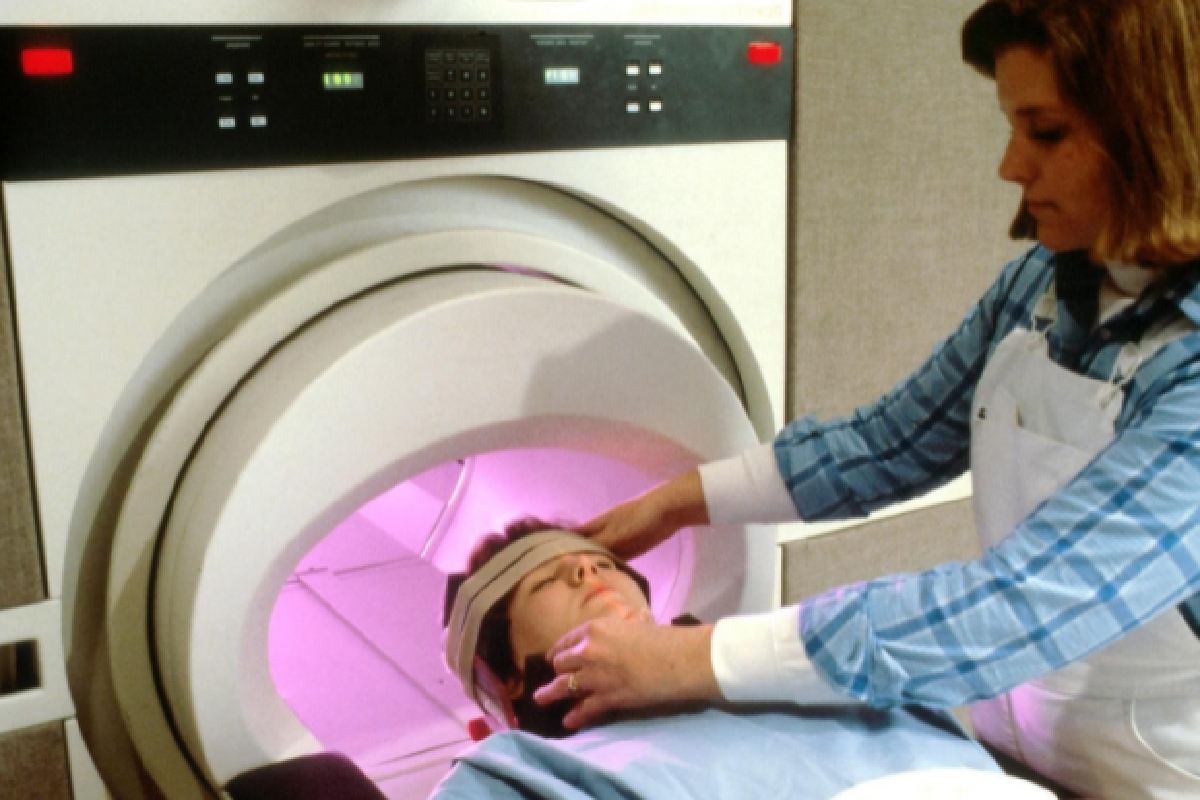
Before we get further into details and the risks involved, let’s first properly discuss what an MRI is. Magnetic resonance imaging or MRI scanning uses radio waves and magnetism to produce imagery of the body part scanned on a computer. Unlike X-rays, MRI scans do not involve any radiation and are painless.
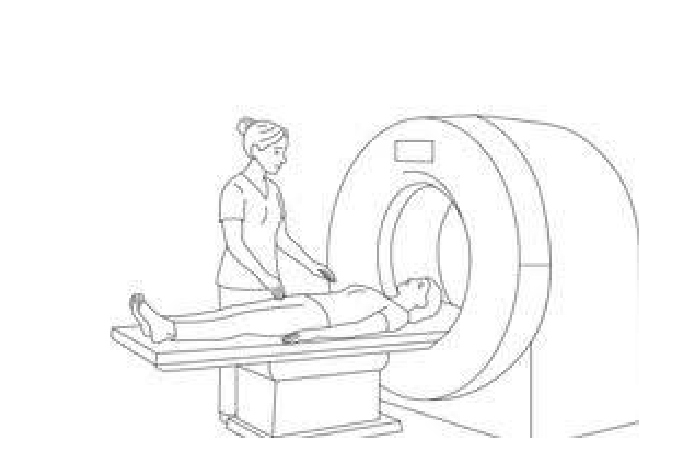
The patient is placed on a bed that goes into a tube. The tube of the machine is covered with a magnet, and this creates a strong magnetic field. This results in the protons of the hydrogen atoms in our body aligning.
Once aligned, these protons would then be exposed to radio waves; this result in protons spinning, producing a certain signal that the MRI picks up. The computer then generates a detailed image of the body part. The MRI can detect small changes in that specific part.
How It Works
The process relies on the water molecules in your body (specifically hydrogen protons):
-
Magnetism: The MRI machine’s powerful magnet aligns the protons in your body.
-
Radio Waves: Pulses of radio frequency energy knock these protons out of alignment.
-
Relaxation: As the protons realign, they emit signals.
-
Imaging: A computer translates these signals into 3D cross-sectional “slices” of your anatomy.
What Is an MRI Used for?
An MRI scan is used to detect a disease that, in most cases, is not showing up in any other tests or scans. It is used to provide extremely accurate results to confirm a patient’s diagnosis.
Doctors recommend MRI scans to patients who’ve just experienced a brain injury or trauma to the head to see any bleeding or swelling in the area. These scans are also used to detect other abnormalities in the brain such as tumours, inflammation, stroke or brain aneurysms.
Besides that, neurosurgeons also use the MRI scan to determine the integrity of a spinal cord injury after trauma. This scan can also be used to evaluate the structure of the heart and aorta, where it can easily detect tears in the heart or any veins and detect aneurysms.
In addition to brain and heart scans, MRI scans can also detect changes in and find valuable information on organs within the abdomen. They can also scan joints and bones and detect changes in them or growing tumours.
What MRI Detects
| Area | Common Findings |
| Brain & Spinal Cord | Strokes, tumors, multiple sclerosis (MS), and herniated discs. |
| Bones & Joints | Torn ligaments (like ACL tears), tendonitis, and cartilage damage. |
| Organs | Liver disease, pelvic issues in women, and prostate issues in men. |
| Heart & Vessels | Blockages, structural damage, or valve problems. |
What Are the Risks and Side Effects of an MRI?
MRI scans are a lot safer than X-ray visions as they are painless and do not need radiation. None of the patients who have got an MRI scan complained of any side effects later on. However, there are many benefits of this scan, such as the accuracy in detecting structural abnormalities.
However, there are a few things to keep in mind when getting an MRI scan done. Firstly, patients who have any metallic material in the body must let their doctor know about it. Metallic bone plates, chips or surgical clips can distort the images obtained at the end of the scan, disrupting the accuracy of the results.
Similarly, patients with a pacemaker installed or metal chips in the eyeball are not advised to get an MRI done as it can risk the magnet moving in those areas.
Other than that, the tube of the MRI equipment is an enclosed area. Therefore some patients may feel claustrophobic and panicky during the procedure. That is why patients who have a history of feeling claustrophobic sensations should tell the MRI staff and the practitioner who assigned the scan.
They can help by injecting a mild sedative before the procedure starts so the MRI scan can occur smoothly without any disruptions. To make you feel at ease, the staff would be present close at all times.
Furthermore, the patient usually holds a buzzer that they can press if they want to stop the MRI and cannot tolerate the tight tube.
MRI scans use magnetic fields and radio waves for detailed soft tissue views—no radiation beats X-rays/CT for spine, brain, nerves like sciatica discs.
MRI Pros & Cons
How Do I Prepare for an MRI?
When you go for the appointment, all the metallic objects on your body will be removed, including your watch or any piece of jewellery. Then the practitioner would take you into the MRI room, and you can let them know about your anxieties. To make you feel at ease, they will give you a sedative for best results. The whole procedure ranges from half an hour to an hour and a half.
What to Expect During the Scan
-
The Tube: You will lie on a motorized table that slides into a large, tunnel-like tube.
-
Noise: You will hear loud thumping and humming. You are usually given earplugs or headphones with music to help block the sound.
-
Stillness: You must remain perfectly still. Even small movements can blur the image, much like a long-exposure photograph.
-
Contrast Dye: In some cases, a contrast agent (usually Gadolinium) is injected into your vein to help highlight specific blood vessels or tumors.
Critical Safety Precautions
Because the MRI is a massive, always-on magnet, metal is strictly prohibited in the scan room. You must inform the technician if you have:
-
Pacemakers or implanted heart valves.
-
Cochlear implants (hearing aids).
-
Shrapnel or metal fragments in your eyes/body.
-
Metallic tattoos or permanent makeup.
Time Breakdown
| Step | Duration | Notes |
|---|---|---|
| Prep/Screen | 10-15min | Metal check, consent |
| Scan | 20-60min | Lie still, ear plugs |
| Report | 2-24hrs | Radiologist read |
| Full Visit | 1-2hrs | Traffic/parking add |
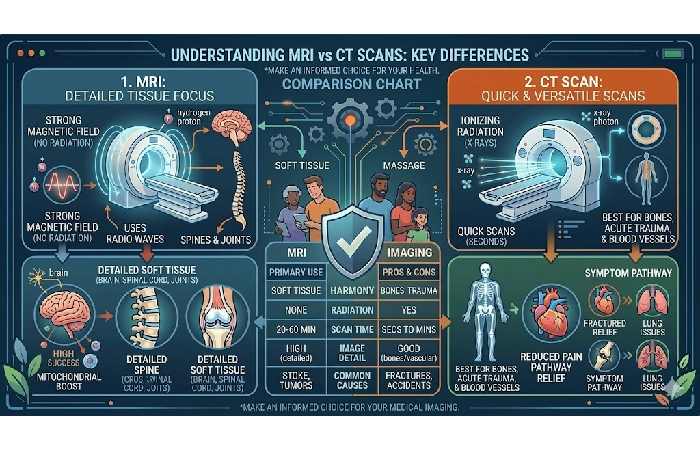
MRI vs CT: Key Tech Split
India Costs 2026 (LS Spine Focus)
Hyderabad PACE/CARE bundles w/ laser ₹15k total—fastest report 4hrs.
Top Specialists India (Spine/Sciatica MRI)
Final Thoughts
MRI scans may seem scary and daunting to many people, but they are a lot less harmful than other tests and give the best and most accurate results possible. That is the main reason why doctors advise patients to get this done to diagnose serious diseases and start immediate treatment accurately.